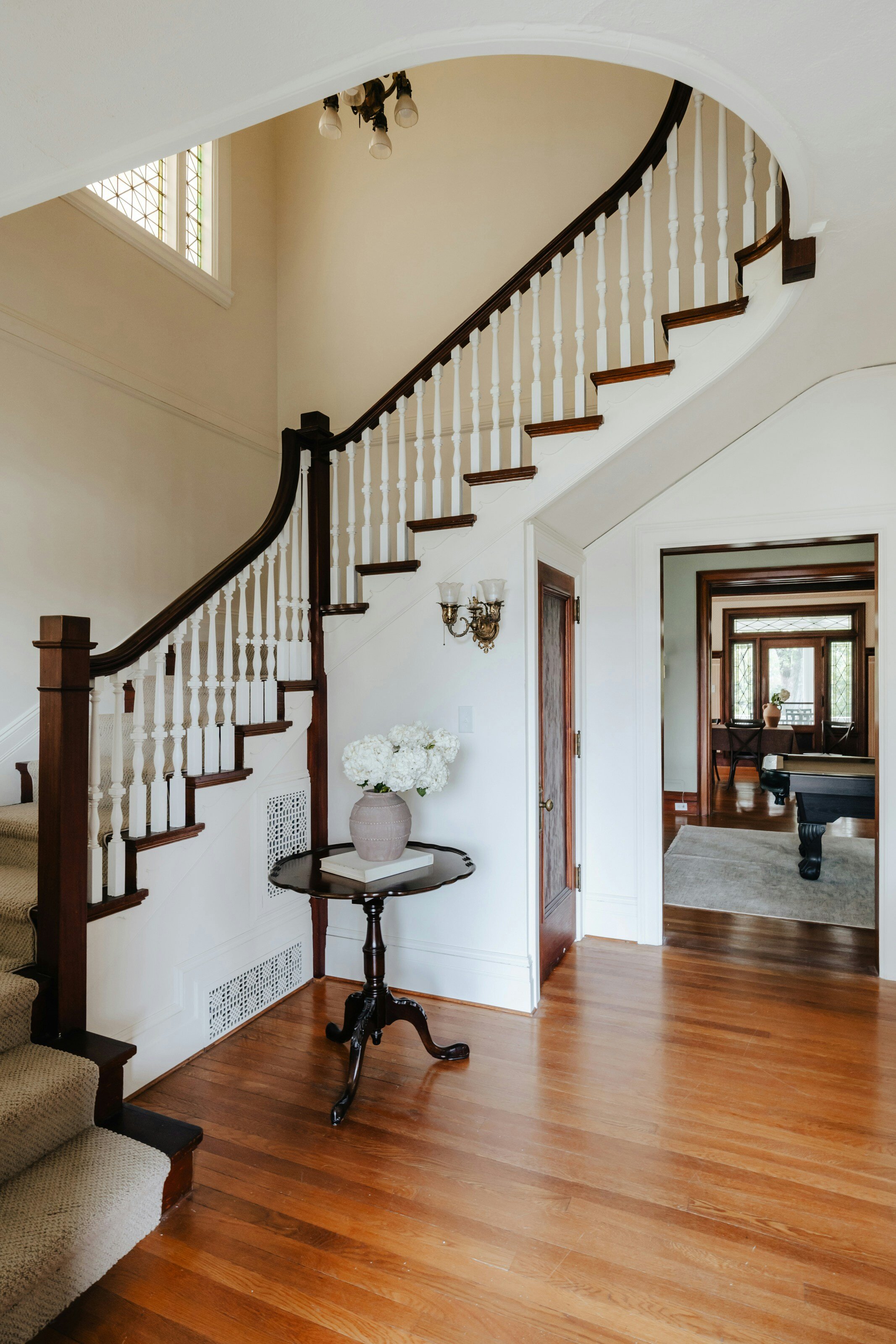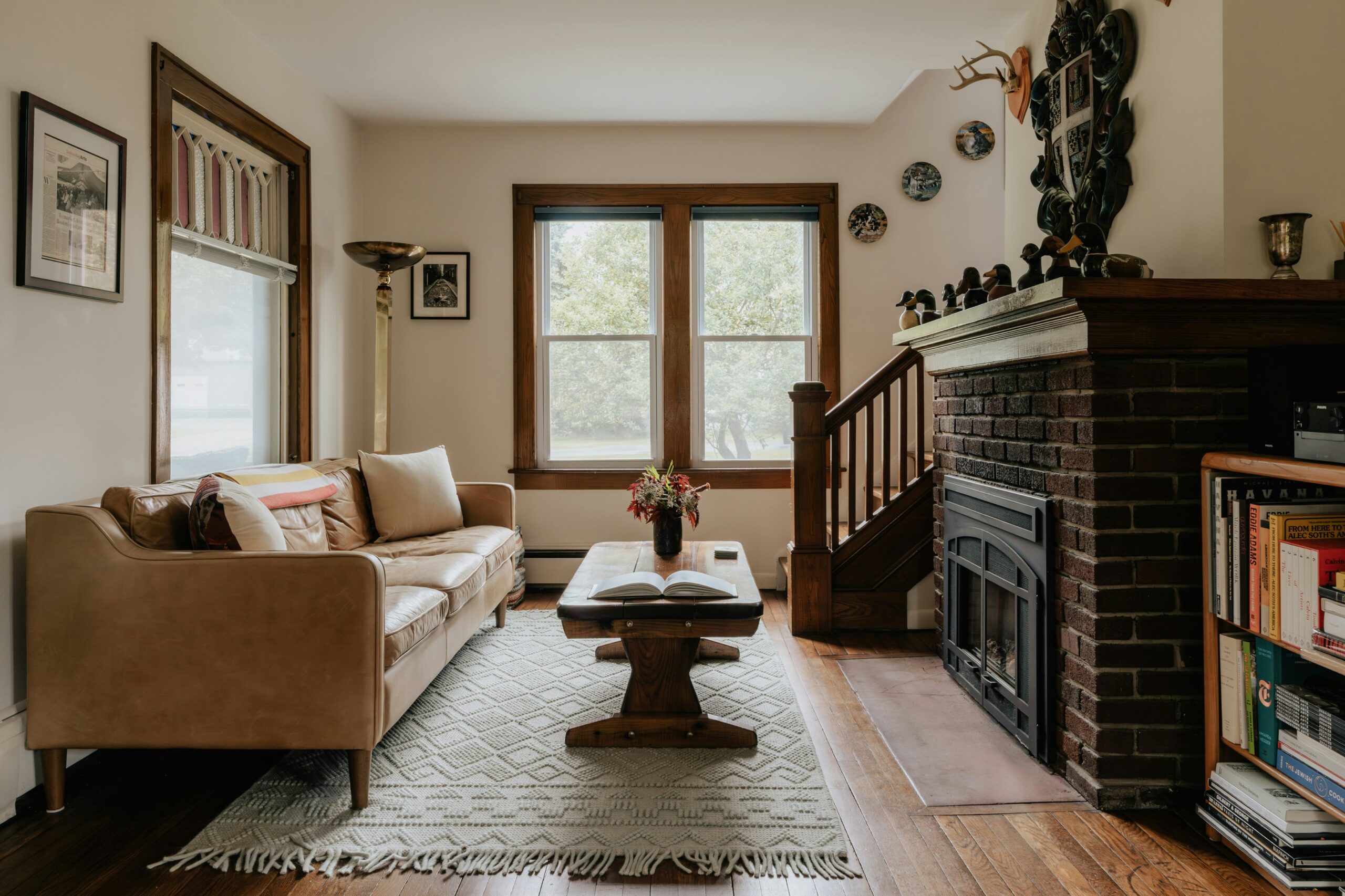
Some homes carry generations. They hold the afternoons and summers and ordinary Tuesdays of people who are no longer here. And when it comes time to let them go, the transaction is never just about the house.
This was a 100-year-old bungalow in the historic part of Montrose. It had belonged to an aunt and uncle whose home became a gathering place for their nieces and nephews – four kids who spent time there, a few more than others. One in particular.
When her uncle passed away and her aunt’s health declined, the home was left to her. Not just the physical structure, but everything it represented. The place where she’d been welcomed. Where she’d belonged. Where her aunt and uncle had made room for her life alongside their own.
Eventually, the siblings needed to sell. And what should have been a straightforward process became something else entirely.
When the First Attempt Fails
They hired a realtor. Someone who gave them a number that felt good: high, optimistic, the kind of price that honors only what the home meant to them.
But the price wasn’t grounded in reality. The agent missed the nuances of the area, the market, the specific blocks and streets that make all the difference in Montrose. The home sat. For months.
And while it sat, the market proved what they’d been listed at wasn’t where buyers were willing to meet them. The emotional weight of watching the home linger – unloved, unvisited, stuck in limbo – added another layer of difficulty to an already painful process.
They’d chosen that first agent because of the number. Because it felt like honoring the home’s worth. But sometimes, honoring a home means understanding its actual value in the current market – not the value we wish it had, but the value that will allow it to move forward.
A Second Chance
We’d spoken before they listed the first time. But they went with the higher price. I understood. When you’re selling a home tied to loss, you want to believe it’s worth more. You want the market to reflect what it meant, not just what it is.
After months of sitting, they reached back out.
By then, they had a more realistic understanding of what the home was worth. The market had clarified things in a hard but honest way. And they were ready to try again, this time with a strategy that matched the reality they were facing.
We relisted the home. But we didn’t just adjust the price and hope for the best. We repositioned it entirely.
Better photos that showed the character and charm of a 100-year-old Montrose bungalow. Aerial footage to help investors see the proximity to prized locations: the context that makes a property valuable beyond its four walls. A new survey so build lines and potential were crystal clear.
We marketed it to the right buyers. Not everyone. The right ones. The buyers who could envision a renovation a quirky and vibrant part of town.
Within one day, we had two offers. Both at full price.
What Relief Looks Like
The sellers were thrilled. Not because they got the price they originally wanted, they didn’t. But because the home finally moved. Because after months of waiting and watching and wondering, they had a clear path forward.
This sale meant they could finally close the chapter on their aunt’s affairs. The estate could be settled. The lingering pieces of loss could be put to rest. The home their aunt left behind could belong to someone new.
It wasn’t a victory in the traditional sense. But it was resolution. And sometimes, that’s what matters most.
The Conversations That Carried Us
Through the process, we talked about more than strategy and pricing and marketing plans. We talked about faith. About family. About how those are the things that matter most when everything else falls away.
Selling this home wasn’t just a transaction for them. It was an act of stewardship. Of honoring what their aunt had built and lived in and left behind; doing right by her memory while also doing what was necessary to move forward.
I don’t take lightly the conversations that happen in the middle of grief. The trust it takes to let someone into that space. The vulnerability of needing help when you’re already carrying so much.
But those are often the conversations that remind me why this work matters. Because it’s not really about houses. It’s about people navigating transitions they didn’t choose, holding onto what matters, and finding a way through.
What I Learned
I learned, again, that pricing a home isn’t about wishful thinking. It’s about understanding the market, the neighborhood, the specific blocks and streets that make a difference. And it’s about helping sellers see reality without dishonoring what the home means to them.
I learned that sometimes people need to go through the hard lesson before they’re ready to hear the truth. And that’s okay. My job isn’t to force clarity. It’s to be ready when they’re ready.
I learned that targeted marketing matters. That showing a home well – with the right photos, the right context, the right positioning – can shift everything. That buyers need to see not just what is, but what’s possible.
And I learned, once more, that faith and family really do matter most. That the privelage of walking alongside people through loss is one I don’t take lightly. That doing this work well means understanding it’s never just about the house.
Letting Go, Moving Forward
The bungalow sold. The estate was settled. The siblings were able to move forward with the process of handling their aunt’s affairs.
The home their aunt left behind now belongs to someone else. Someone who will write their own story inside those 100-year-old walls. Someone who will add to the legacy of a house that has held so much life already.
And the family, they carried forward what their aunt gave them. Not the house itself, but the memory of being welcomed, of belonging, of being loved in a place that made room for them.
That’s what homes do, in the end. They hold us for a season. And then, when it’s time, they let us go.
Home matters. And sometimes, honoring it means knowing when to hold on and when to let go.
+ view the comments