The secret to keeping your home from drowning in stuff? Give it a place to land before it spreads.
Backpacks on the floor. Shoes by the couch. School papers on the counter. Keys…somewhere. The water bottle that made it halfway from the car but not all the way to the kitchen.
It’s not that we’re messy. It’s not that we lack discipline or organizational skills or the right bins from The Container Store. It’s that we’re moving fast and things land wherever we are when we walk through the door. We’re juggling groceries and kids and thoughts about what’s for dinner and whether anyone finished their homework, and in the chaos of real life, things get set down and forgotten.
Drop zones fix this. Not by making you more organized. By making it easier to put things where they go in the first place.
The Drop Zone Philosophy
Before we talk about where to put baskets and hooks, let’s talk about why this matters:
Clutter doesn’t spread when it has a place to land. The backpack that gets dropped at the door stays at the door. It doesn’t migrate to the dining room chair, then the kitchen counter, then the floor by the couch. When there’s a designated spot right where you walk in, that’s where it stays.
You don’t need perfect systems. You need easy ones. If putting something away requires three steps, no one’s going to do it. If it requires walking to another room, no one’s going to do it. The easier you make it, the more likely it actually happens.
Keep the spaces where you connect free of chaos so you can actually connect. This is the real reason drop zones matter. When the dining room table isn’t buried under backpacks and mail, you can actually sit down for dinner. When the living room floor is clear, you can actually play a game with the kids. The goal isn’t a magazine-worthy home. The goal is creating space to be together without the visual noise of clutter making your brain work harder than it needs to.
Where to Set Up Drop Zones
The key to drop zones is watching where things naturally land and putting a system there instead of fighting human nature.
Entry Drop Zone
One basket or tray near the door. Hooks for coats and bags. Keys, sunglasses, the mail – they land here, not on the kitchen counter three rooms away.
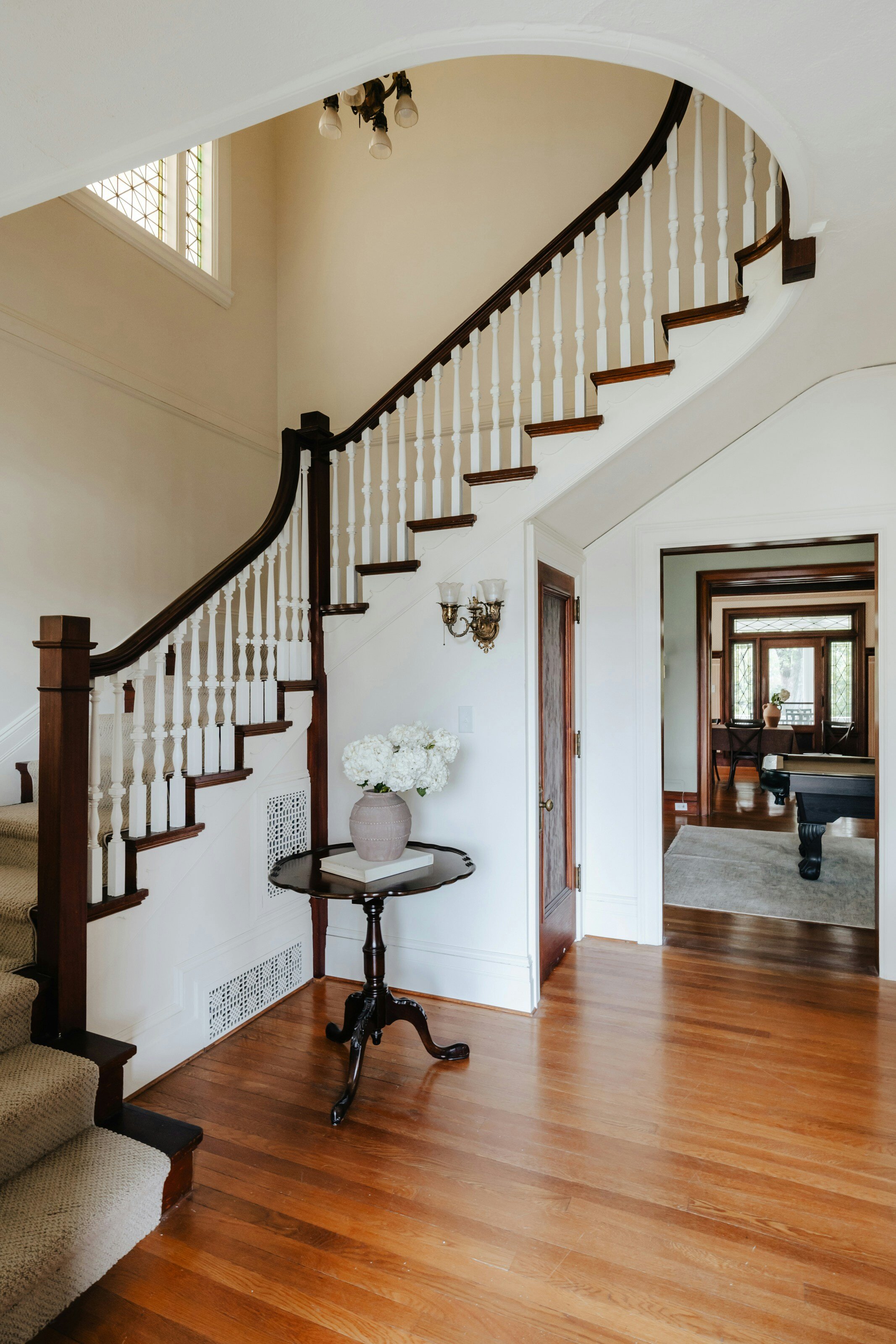
We have a small hallway behind the stairs where coats, shoes, and purses get hung on a wall rack when people come over. It’s right by the front door. It takes two seconds to hang something up instead of draping it over a chair. That’s the whole point — make it so easy that doing the right thing is actually the path of least resistance.
Mudroom/Garage Entry
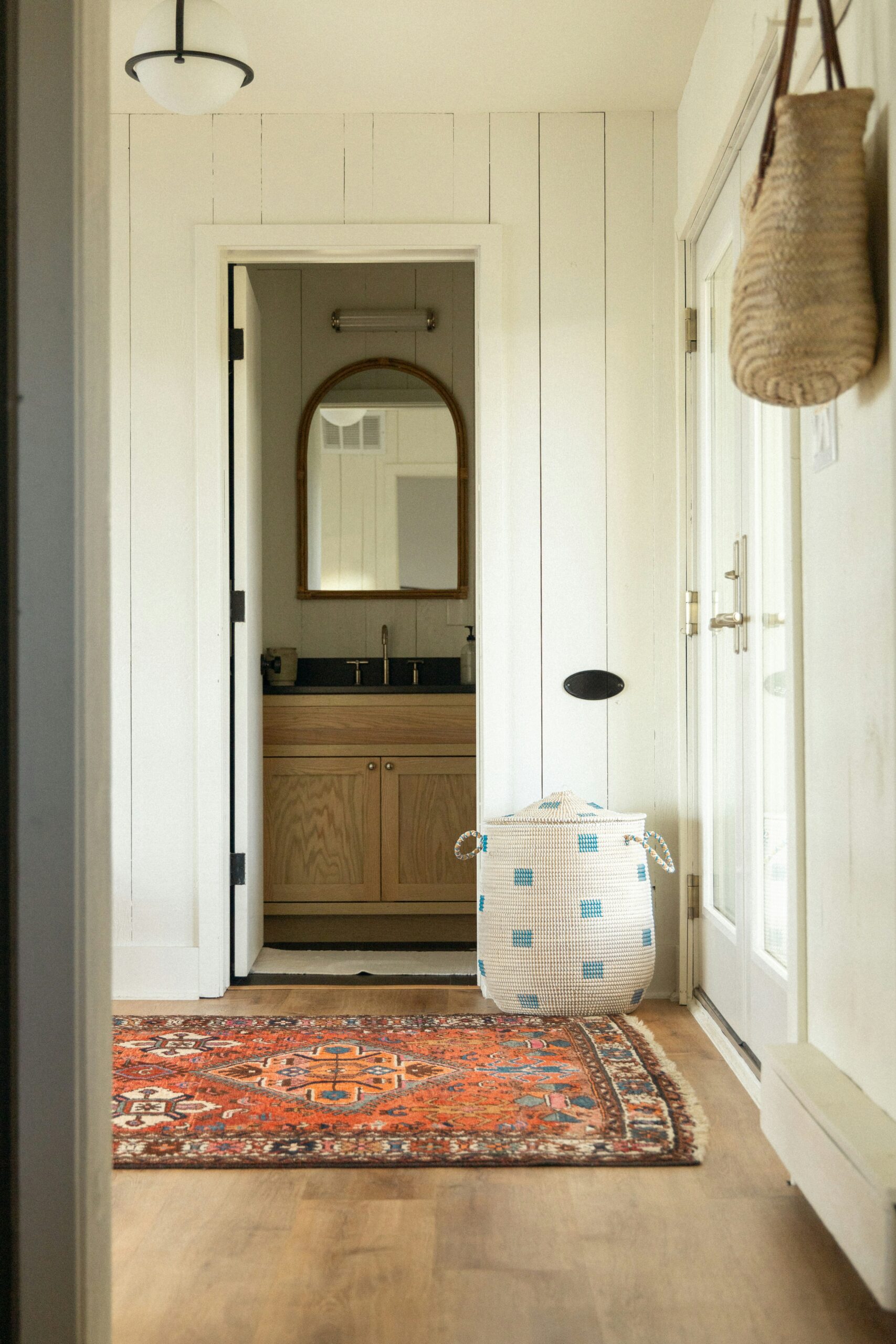
This is the workhorse of the house. Hooks for every backpack. Baskets for shoes, one per person if you have the space, or one shared basket if you don’t. Drawers for keys, sunscreen, the things you grab on the way out.
Our mudroom by the garage has hooks for backpacks, baskets for shoes, a mini fridge for drinks on the way out to the pool, drawers for keys, and storage for cleaning supplies, toilet paper, and paper towels. It’s not pretty. It’s functional. And it keeps all of that stuff from ending up in the kitchen or living room.
Make this space work as hard as it can. It’s the transition point between outside and inside, and if you can contain the chaos here, it doesn’t follow you into the rest of the house.
Living Space Quick Tidy
One basket in each main living space. Toys, books, the things that migrate downstairs during the day.
We have a basket on the bottom shelf of our entry table by the front door and stairs. Toys, books, anything that belongs upstairs gets put in this basket for easy cleanup. At the end of the day, someone carries it upstairs and everything goes back to the rooms where it belongs.
No sorting. No decisions. Just toss and go. The faster cleanup happens, the more likely it actually happens.
Kid Zones
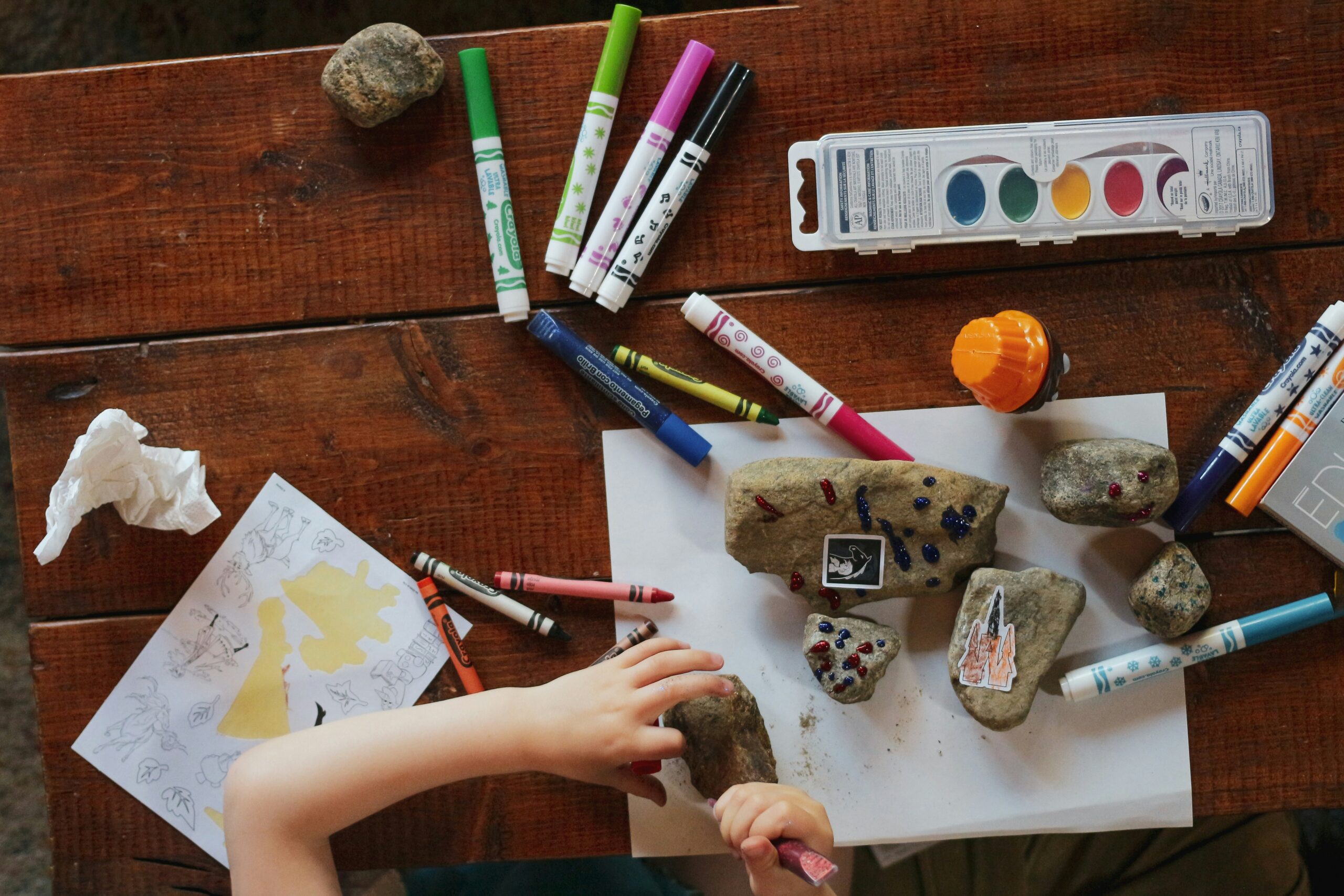
School papers they want to save? Give each kid one bin. When we moved into our house, we set up an art closet by the living room. All the school stuff the kids want to save goes into individual Tupperware containers, one per kid. All the arts and crafts supplies stay there too.
When the bin is full, they decide what stays. You’re not the keeper of every crayon drawing and spelling test. They get to choose what matters, and when the container is full, something has to go to make room for something new.
Art supplies, crafts, the projects that multiply faster than you can manage them, give them a home. Keep it accessible enough that kids can get what they need, but contained enough that it’s not spreading to every surface in the house.
The Kitchen Island Reality
Here’s the truth: we don’t have a perfect solution for the kitchen island yet.
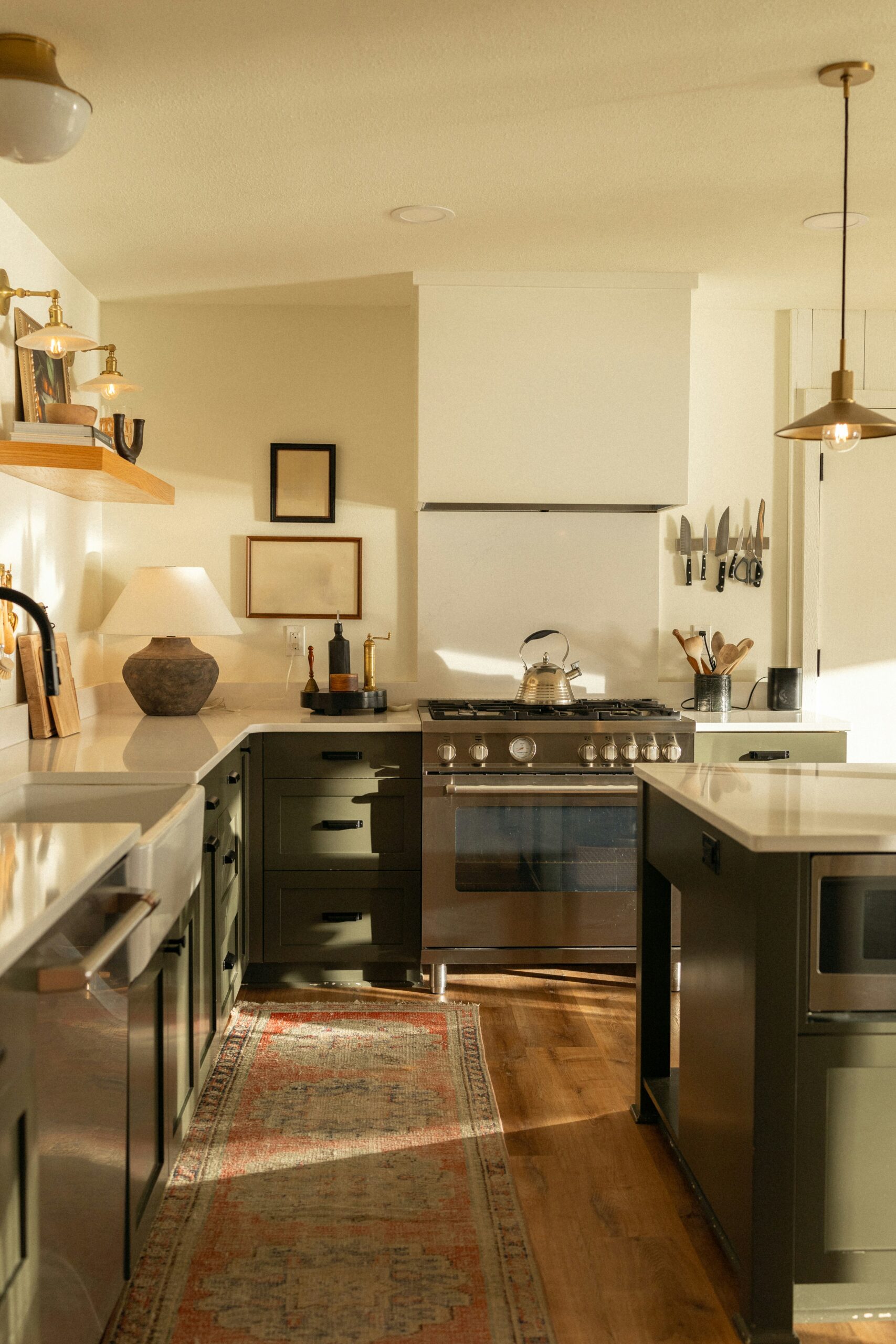
Things still land there. School papers, permission slips, the random objects that don’t have an obvious home. We’re all guilty of setting something down “just for a second” and then forgetting about it until the counter is covered.
So we all pitch in to take items back where they go. It’s not a system. It’s just…life. And that’s okay.
Not every space has to be solved. Some are still a work in progress. The goal isn’t perfection. The goal is progress. And if the kitchen island is the one place where clutter still gathers, but everywhere else has a system that’s working, that’s a win.
How to Set Up Drop Zones That Actually Work
1. Watch where things land naturally. Don’t fight human nature. If everyone drops their backpack by the garage door, put hooks by the garage door. If shoes always end up by the couch, put a basket by the couch. The drop zone needs to be where the dropping is already happening.
2. Add a basket, bin, or hooks at that spot. It doesn’t have to be fancy. It doesn’t have to match. It just has to be there and easy to use.
3. Make it easy. If it requires three steps, no one will use it. If you have to move something else to access it, no one will use it. The easier you make it, the more likely it becomes habit.
4. Let everyone know where things go. And then give it a week to become habit. It takes time for new systems to stick. But once they do, they save you hours of nagging and cleaning and searching for lost things.
The Truth About Drop Zones
Drop zones aren’t about perfection. They’re about giving clutter a place to land so it doesn’t take over the spaces where you actually live.
They’re about making cleanup take two minutes instead of twenty.
They’re about keeping the intentional spaces in your home – the dining table, the living room floor, the kitchen counter – free of chaos so you can connect, rest, and breathe.
Your home doesn’t need to look like a showroom. It needs to work for the people who live in it. And sometimes that means a basket by the door and hooks on the wall and one bin per kid for the art projects that matter to them.
Where does clutter always land in your house? That’s where you need a drop zone.
House to Home guide available in bio. Baskets and bins linked on my ShopMy page.
+ view the comments