The all-white, open-everything homes are sitting. And families are asking for character back.
I’m in homes every single week – showings, walkthroughs, listing appointments – and I’m noticing a shift. Not a dramatic overhaul, but a steady pattern in what’s moving quickly versus what’s lingering on the market.
This isn’t about what’s trendy on Pinterest or what designers are saying will be big next year. This is what I’m seeing right here in Katy, right up the road in Houston, with real families making real decisions about where they want to live.
Open Concept Fatigue Is Real
For years, open concept was the holy grail. Tear down the walls. Make it flow. One big space for living, cooking, entertaining.
And for a while, it worked. But now? Families are wanting more segmentation. More defined spaces for how they actually do life.
They’re realizing that one giant open room means the kitchen mess is always visible. That there’s nowhere for the kids to play loudly while someone’s on a work call. That sometimes you actually want a door between the living room and the playroom.
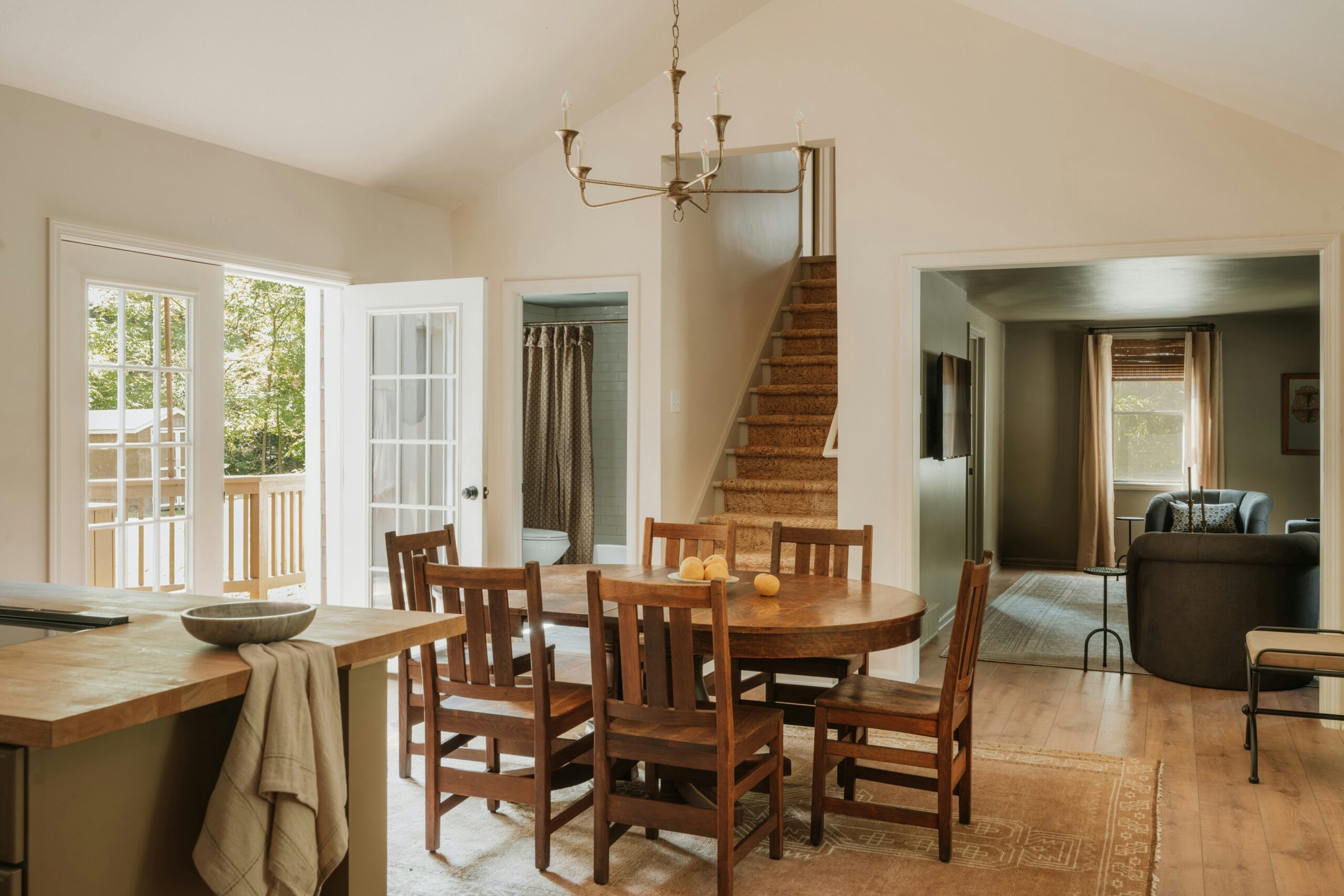
People are looking for homes with a family room that’s separate from the living space. A defined dining room, not just a table shoved in the corner of the kitchen. An office with an actual door that closes.
Open concept isn’t dead. But the extreme version, where everything is one massive space, is losing its appeal.
All White Everything Is Sitting
The stark white kitchens, the white walls, the white countertops, the white subway tile, the white shaker cabinets – it’s sitting on the market longer than it used to.
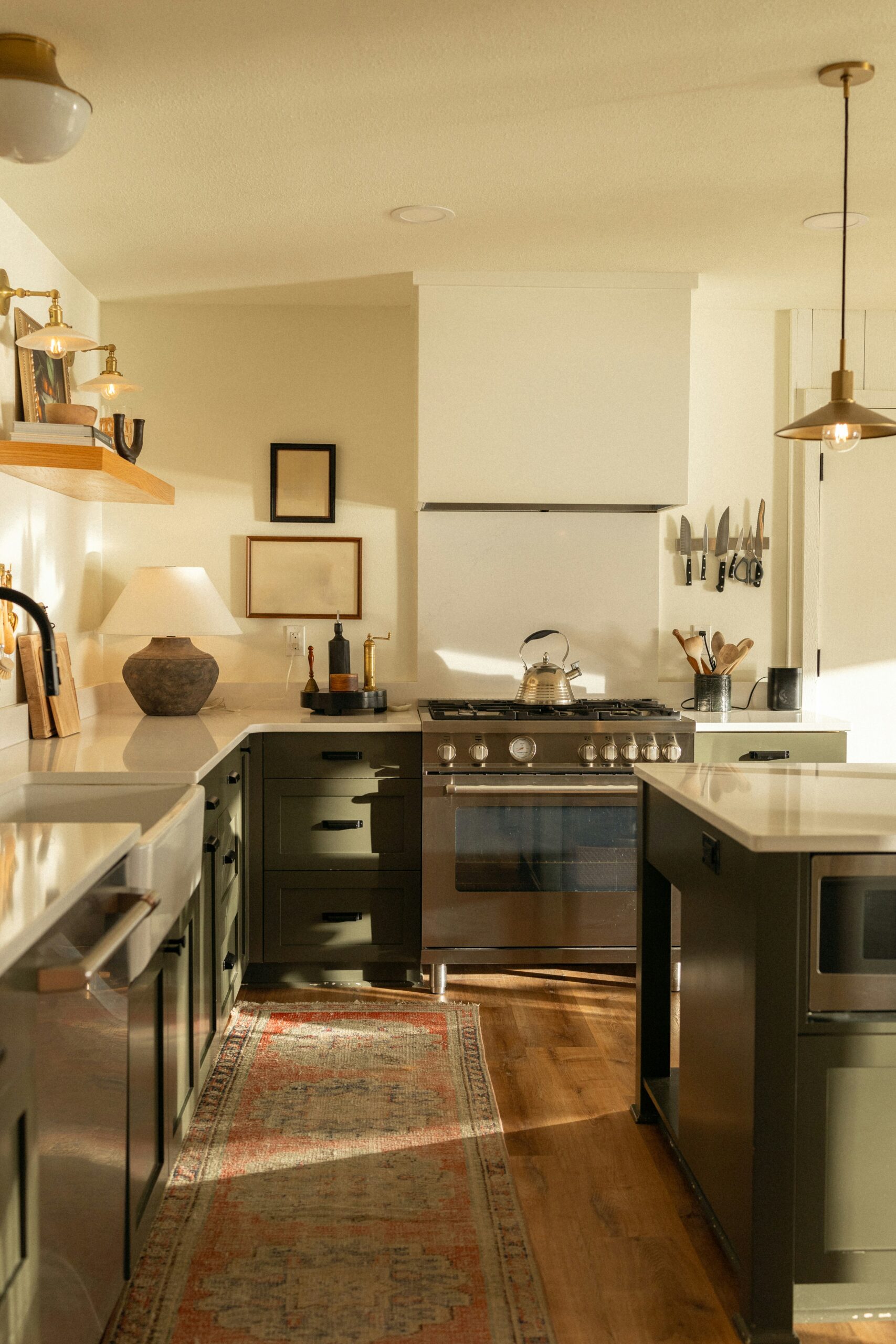
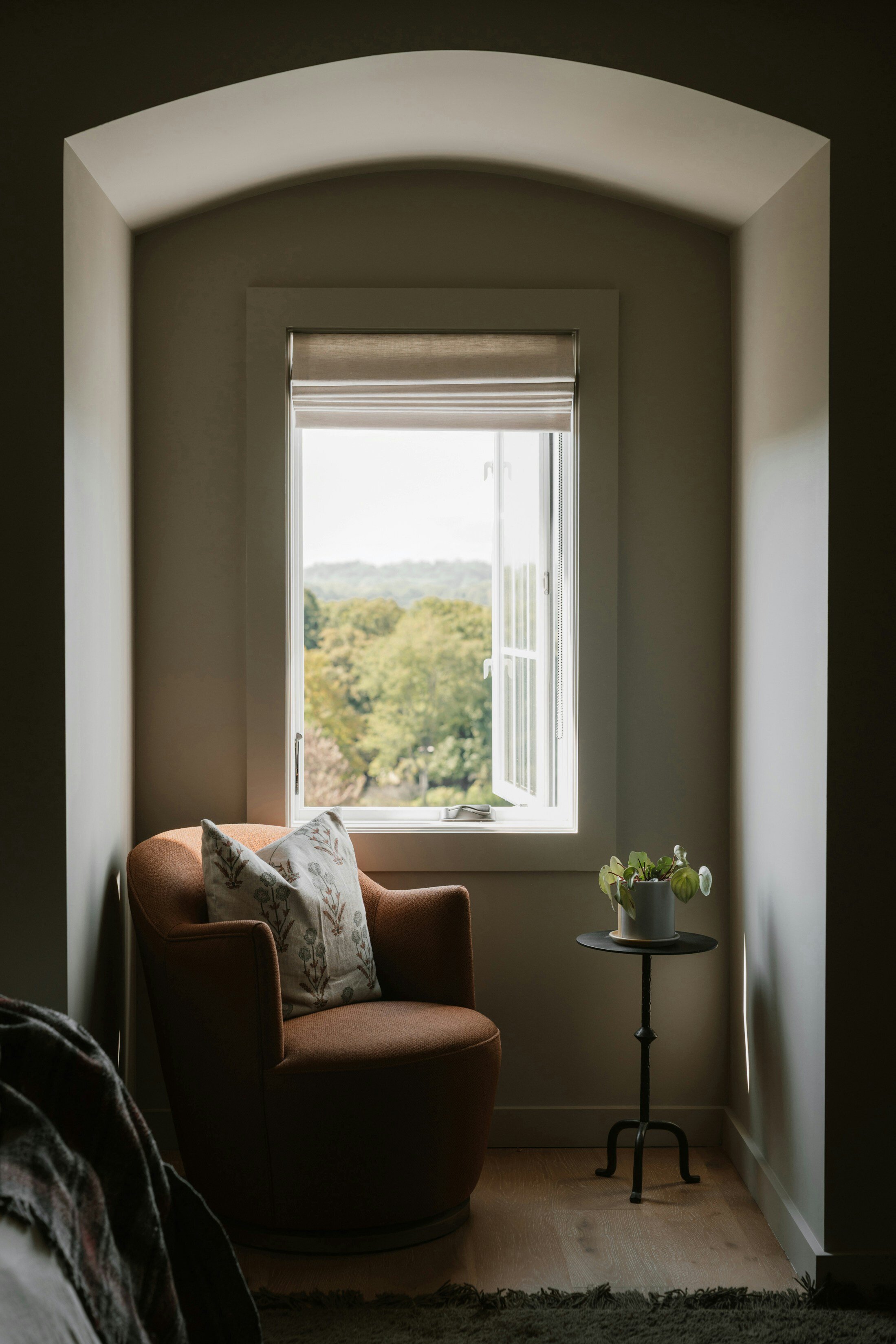
Families are wanting warmth. Character. Charm.
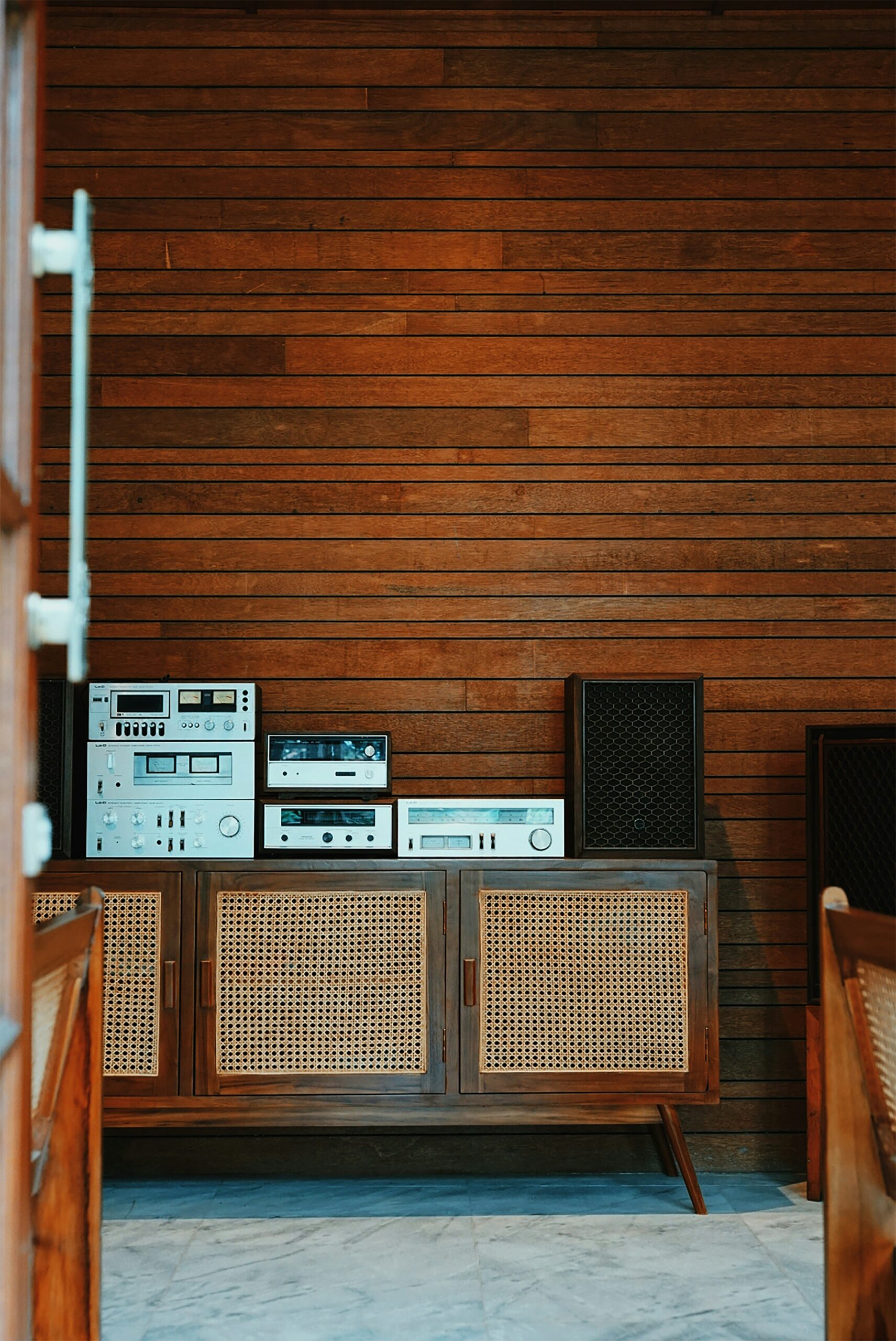
They want wood tones that feel inviting. They want kitchens that feel lived-in. They want homes that have personality, not homes that look like they were designed to photograph well or only look good when clean.
This doesn’t mean people want outdated or cluttered or over-decorated. They still want clean and maintained. But they want it to feel like a home, not a showroom.
Traditional and Classic Are Having a Moment
And I think it’s because of character.
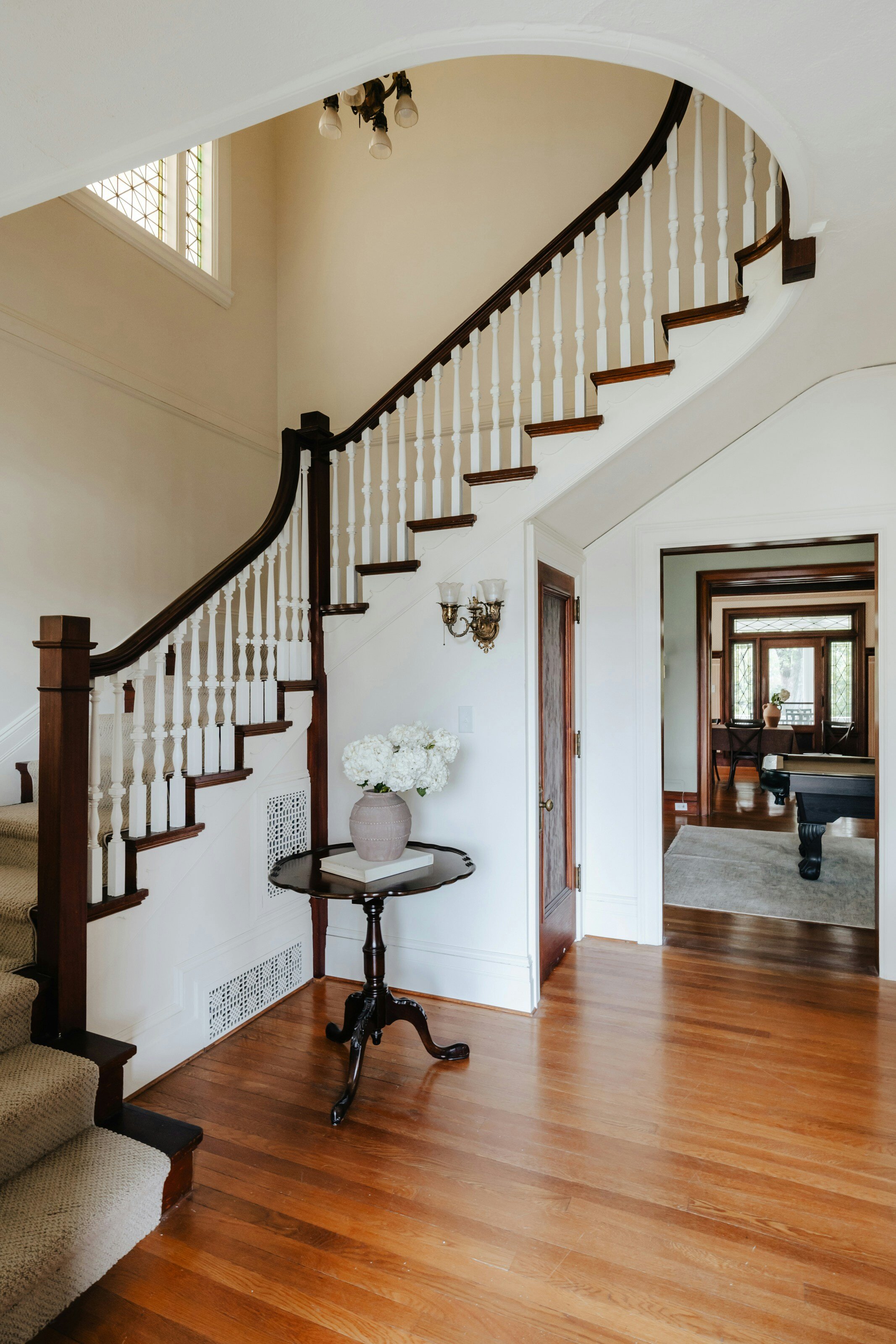
The traditional homes, the ones with crown molding and thoughtful trim work and built-ins that weren’t just slapped up yesterday, are resonating with buyers right now.
People are tired of the oversimplified boxes. They’re looking for something that feels timeless and has substance. Classic architecture isn’t flashy. It’s not trying to be the trendiest house on the block. But it has staying power. And right now, that’s what families are drawn to.
Warm Wood Tones Over Gray
Gray had its moment. Now I’m seeing buyers gravitate toward warm wood tones. Honey oak (yes, it’s back). Natural wood floors. Stained cabinets instead of painted. Wood beams. Wood accents.
It’s warm. It feels more inviting. And it doesn’t feel like it’s going to look dated in three years the way some of the gray-on-gray-on-gray homes already do.
Functional Spaces Are Non-Negotiables
This is the big one. The thing that’s driving decisions more than aesthetic preferences.
Families want a mudroom. An office with a door. A good pantry, not just a closet with shelves, but an actual walk-in pantry with space to stock up and organize. A family room where the kids can spread out and the mess can be contained.
These aren’t nice-to-haves anymore. They’re must-haves.
People are willing to compromise on square footage, on an extra bedroom, on a formal dining room they might not use regularly. But they’re not willing to compromise on the spaces that make daily life function smoothly.
The homes that have these features are moving. The ones that don’t are sitting, even if they’re gorgeous.
Updated, But Not Sterile
Here’s what I’m seeing in Katy specifically: homes that have been updated across the board, not piecemeal, are moving quick.
But here’s the nuance: updated doesn’t mean stripped of all character and charm.
Buyers can tell the difference between a thoughtful renovation and a quick flip. They can see when someone took the time to do it right versus when someone slapped on the cheapest materials to make it look Instagram-ready.
They want cohesive updates, quality finishes and it to feel intentional.
And interestingly, families are more willing to take on a little work now. They’ll buy the house that needs paint or a kitchen refresh if it’s in the right location and has good bones and has the functionality they crave. They’re prioritizing location and character over having every single box checked on their wishlist.
What This All Means
Families want homes that support how they actually live. They want defined spaces that make daily life easier. They want warmth and character, not cold minimalism. They want thoughtful updates, not cheap flips.
And they’re willing to prioritize location and good bones over perfection.
This doesn’t mean every home has to fit this mold to sell. Markets shift. Preferences evolve. What’s true in Katy today might be different in six months or in a different city entirely.
But right now, this is what I’m seeing. Week after week. Showing after showing. Conversation after conversation with families who are trying to figure out where they want to live and what actually matters to them.
And honestly? I think it’s a good shift. Because these are the homes that age well. The ones that won’t feel dated in three years. The ones that support real life instead of just looking good in photos.
If you’re thinking about buying or selling and want to talk through what makes sense for your family in this market, I’d love to help you think it through. Just reach out — no pressure, just clarity and problem solving.
+ view the comments